
The 5.7-Year Wait: Medicare Coverage of Breakthrough Devices
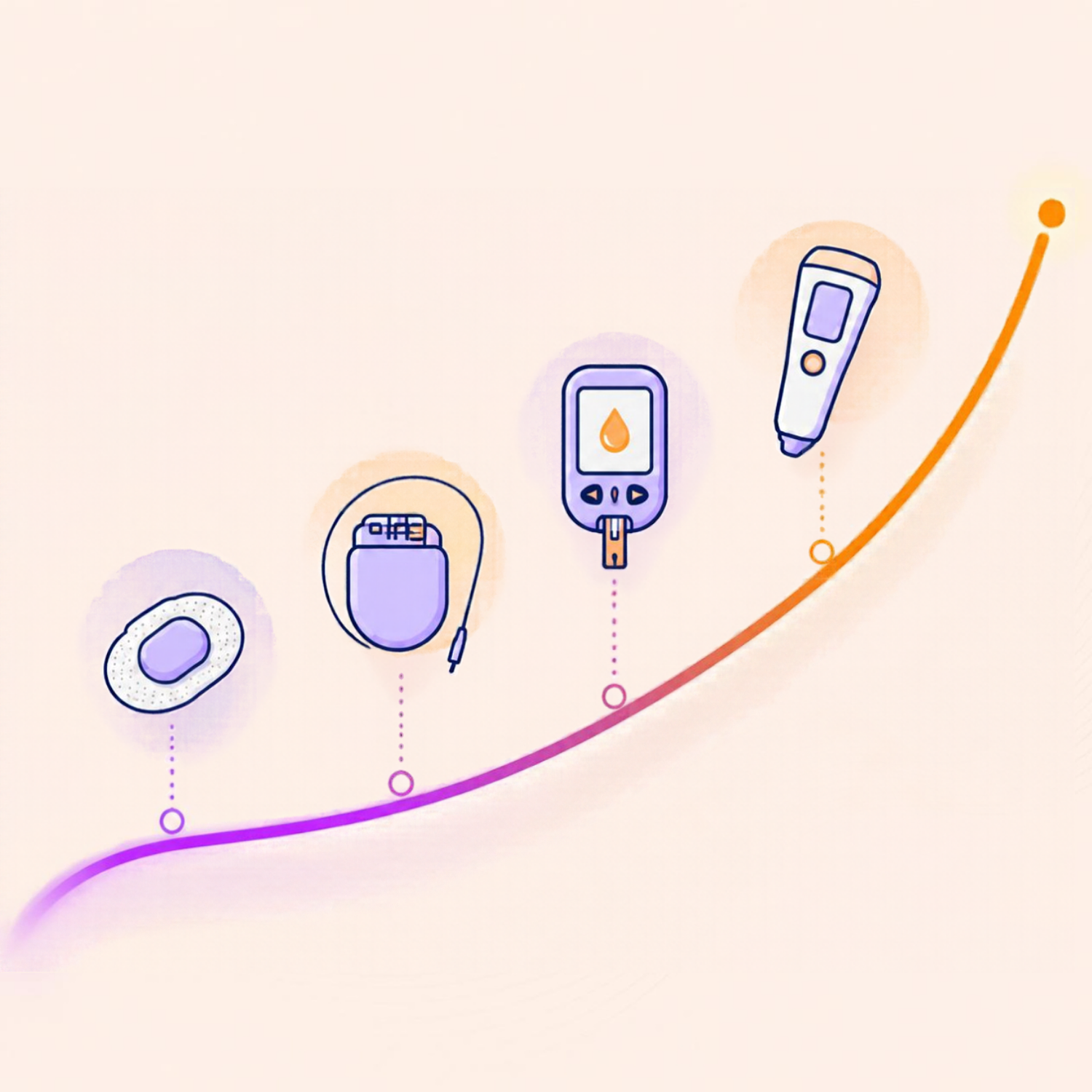
The FDA has a fast lane for medical devices that offer a real advance for people with serious conditions. Medicare does not. Among the most novel devices, patients have waited a median of 5.7 years after FDA authorization for Medicare to decide whether to pay, and fewer than half got any coverage at all.
Last updated October 12, 2026
Where Coverage Policy Stands

This is not the first attempt to close the gap. In January 2021, CMS finalized the Medicare Coverage of Innovative Technology (MCIT) rule, which would have covered breakthrough devices nationally for four years starting the day of FDA authorization. It was repealed in November 2021, before it took effect, over concerns about covering devices without evidence specific to Medicare patients.
In August 2024, CMS created the Transitional Coverage for Emerging Technologies (TCET) pathway in its place. TCET was voluntary and limited to a handful of devices each year. In August 2025, Patients Rising joined nearly 70 patient, provider, and life-sciences organizations in a letter urging CMS to return to the core of MCIT. TCET has since been paused for new candidates while CMS shifts to RAPID.

On April 21, 2026, a bipartisan group of more than 80 House members asked CMS to act without waiting for Congress. Two days later, CMS and the FDA announced the Regulatory Alignment for Predictable and Immediate Device (RAPID) coverage pathway, and CMS published the formal proposal (CMS-3487-NC) on August 11, 2026.
Under RAPID, the two agencies would work with a manufacturer from the start of its main clinical study and agree in advance on the outcomes it must show. If the study shows the device improves how Medicare patients feel, function, or survive, CMS would propose national coverage the same day the FDA authorizes it and aim to finalize coverage about 60 days later for Class II devices and 90 days later for Class III devices.
Measured against a 5.7-year median, that is a transformation, and Patients Rising supports finalizing it. The public comment period closed October 13, 2026; CMS will respond in a final notice.
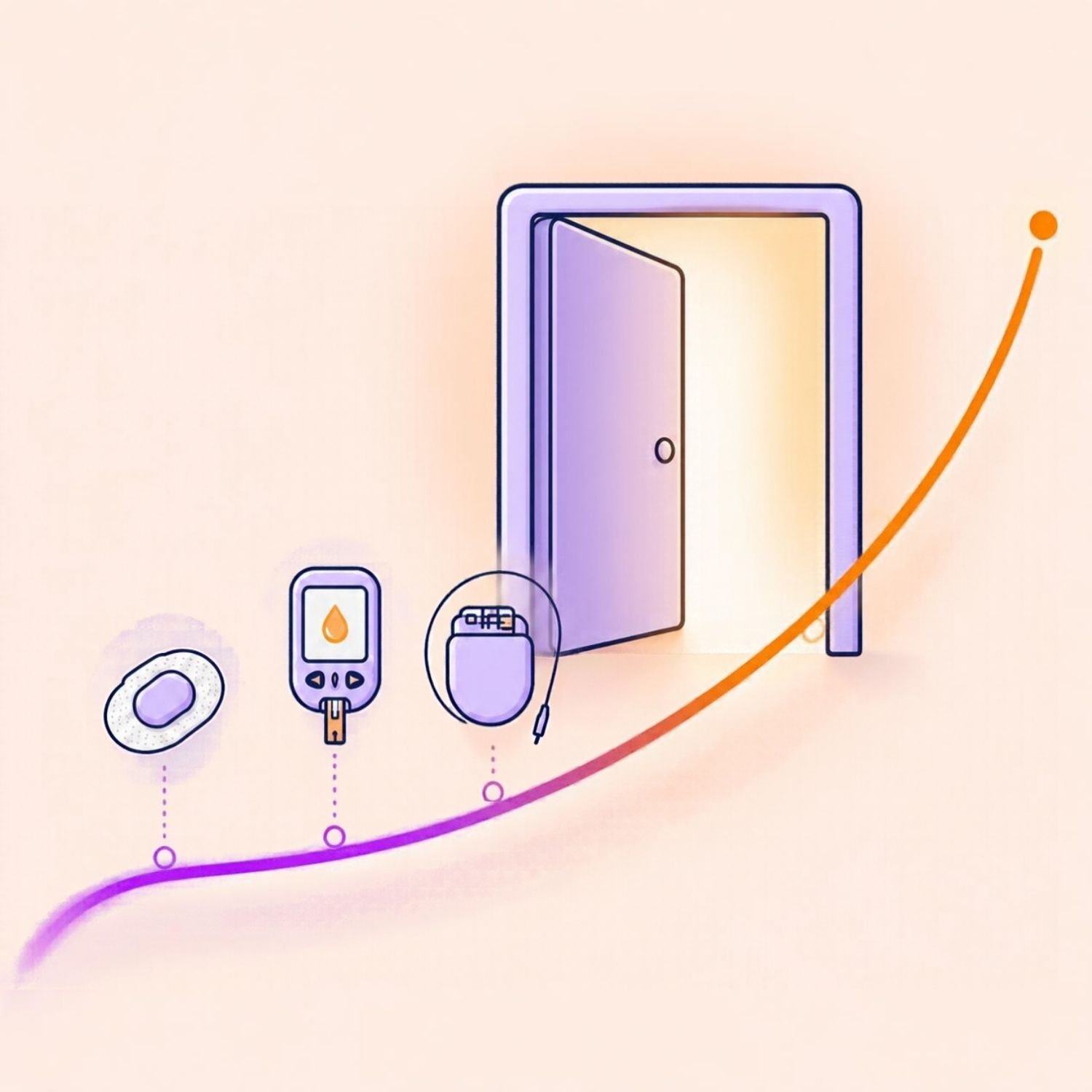
RAPID's limits determine who actually benefits.
It only helps devices still in development. A device must be at the stage before its main clinical study begins. Devices already authorized by the FDA, and devices already being studied, are not eligible, so the technologies patients are trying to reach today stay in the ordinary process.
Its eligibility is narrow. It covers Class III breakthrough devices and certain Class II devices enrolled in an FDA advisory program. Diagnostic tests are excluded entirely.
Its timelines are goals, not deadlines. The proposal describes final decisions "as early as" 60 or 90 days, with no outside limit and no public reporting requirement.
It lives in agency process, not law. MCIT was repealed within a year, and TCET has just been paused. A procedural notice can be changed by the next administration.

The bipartisan Ensuring Patient Access to Critical Breakthrough Products Act (H.R. 5343, sponsored by Rep. Blake Moore; S. 1717, sponsored by Sen. Todd Young) would require Medicare to cover breakthrough devices for a four-year transitional period starting at FDA authorization, while CMS works toward a permanent decision. Unlike RAPID, it would reach devices already on the market, and it would write the fix into law.
The bill keeps three patient guardrails: manufacturers must provide clinical data that includes the Medicare population, coverage is limited to the breakthrough indication, and the HHS Secretary can deny coverage for a device that presents a risk of harm.
The House Ways and Means Committee advanced H.R. 5343 by a vote of 37 to 3 in September 2025, with cosponsors from both parties. The Congressional Budget Office estimated it would cost about $906 million over ten years. It is still awaiting a House floor vote; S. 1717 is in the Senate Finance Committee.