
Advocacy Training with the Prader-Willi Syndrome Association | USA
Learn Advocacy. Understand Policy. Engage Effectively.
This LEAD cohort is developed in partnership with the Prader-Willi Syndrome Association | USA (PWSA | USA) and brings together families, caregivers, and individuals in the Prader-Willi syndrome community who want to better understand healthcare policy and engage constructively in shaping it.
Participants learn how healthcare decisions are made and how patient and caregiver voices can contribute meaningfully to policy conversations that affect access to care and support services.
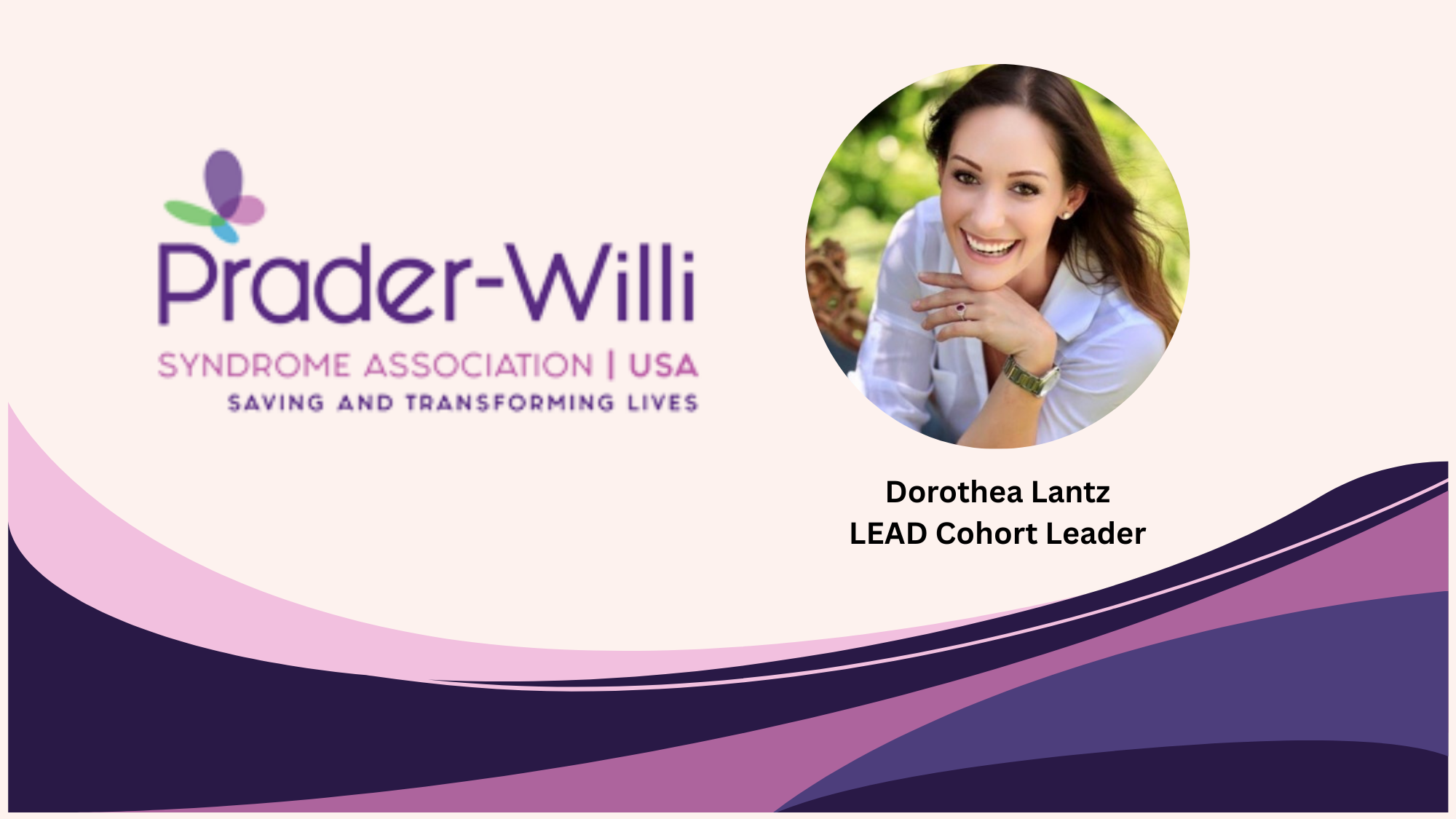
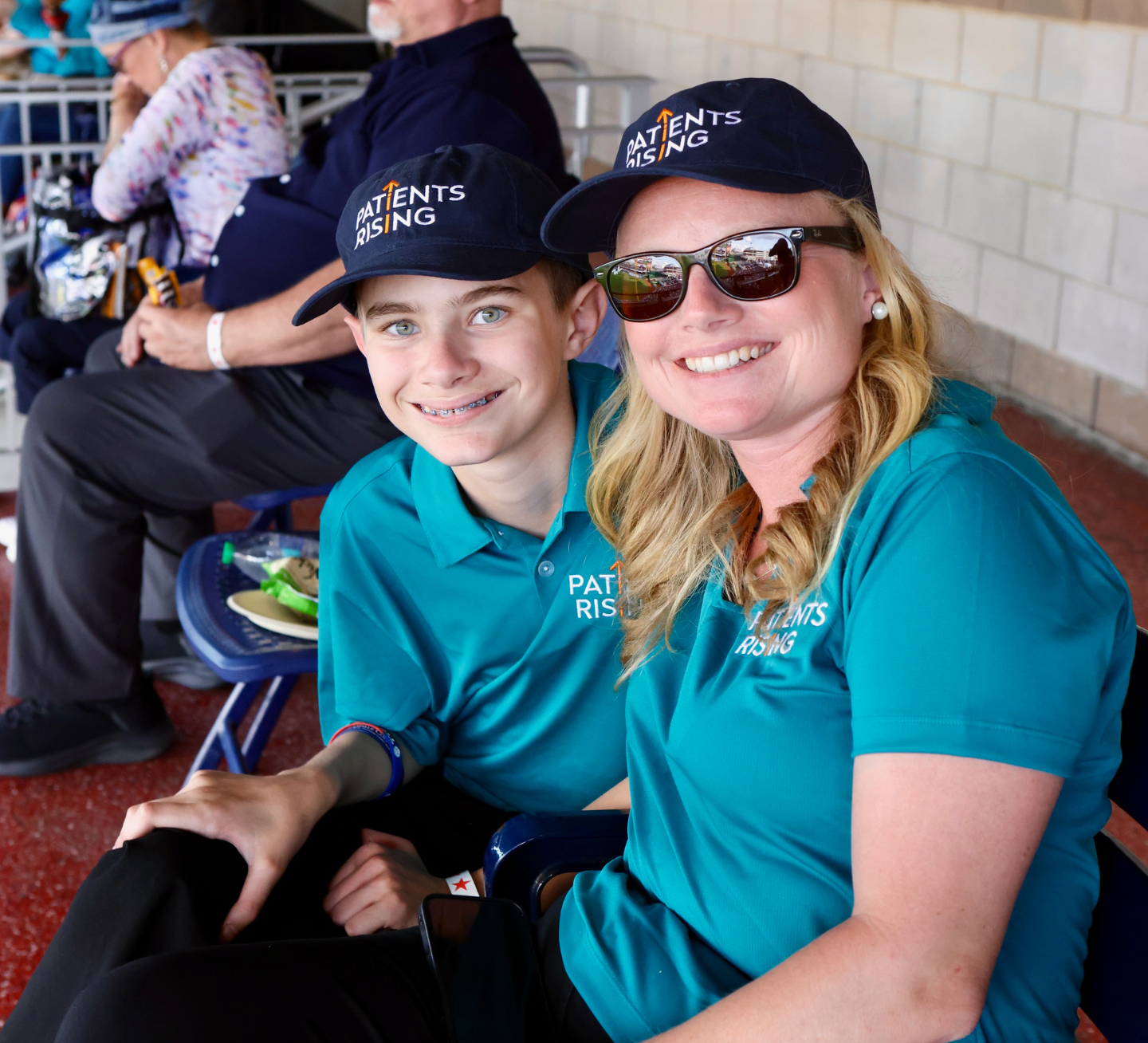
Built in Partnership with PWSA | USA
Patients Rising and the Prader-Willi Syndrome Association | USA share a commitment to empowering families and caregivers with the knowledge needed to navigate healthcare systems and participate thoughtfully in policy discussions.
Through this partnership, the LEAD program provides structured advocacy education designed to support members of the Prader-Willi syndrome community who want to better understand the policy landscape affecting treatment, services, and long-term care.
Participants gain tools to engage constructively with policymakers and to advocate for improved access and support.
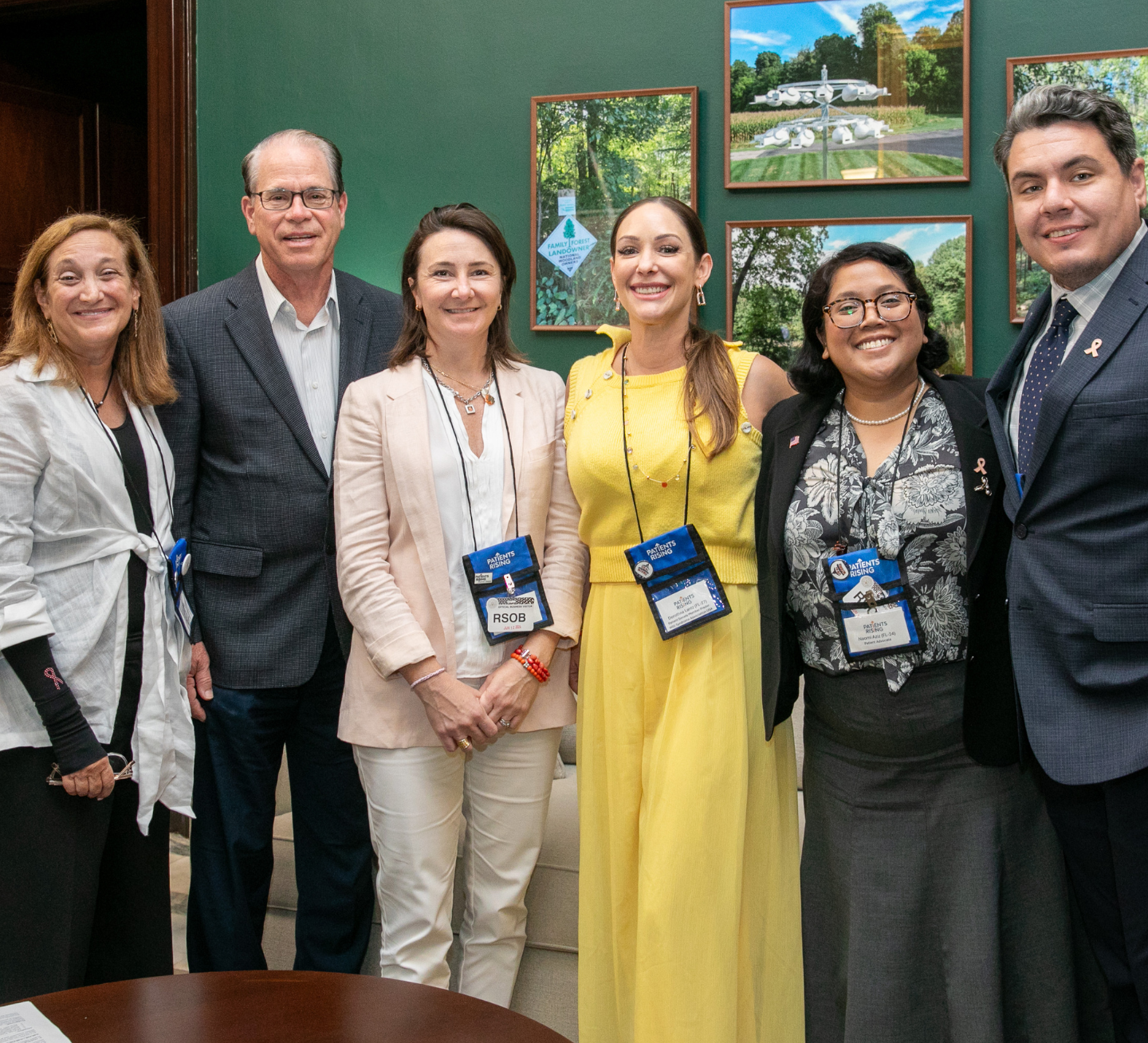
Advocacy Skills That Build Confidence
Participants in this cohort will develop practical knowledge and skills that support thoughtful advocacy.
Topics include:
• How healthcare policy is developed
• Understanding federal and state policy structures
• Communicating clearly with legislators and staff
• Translating patient experience into credible advocacy
• Identifying opportunities to engage constructively
The goal is to help participants feel informed, prepared, and confident when engaging in policy discussions.
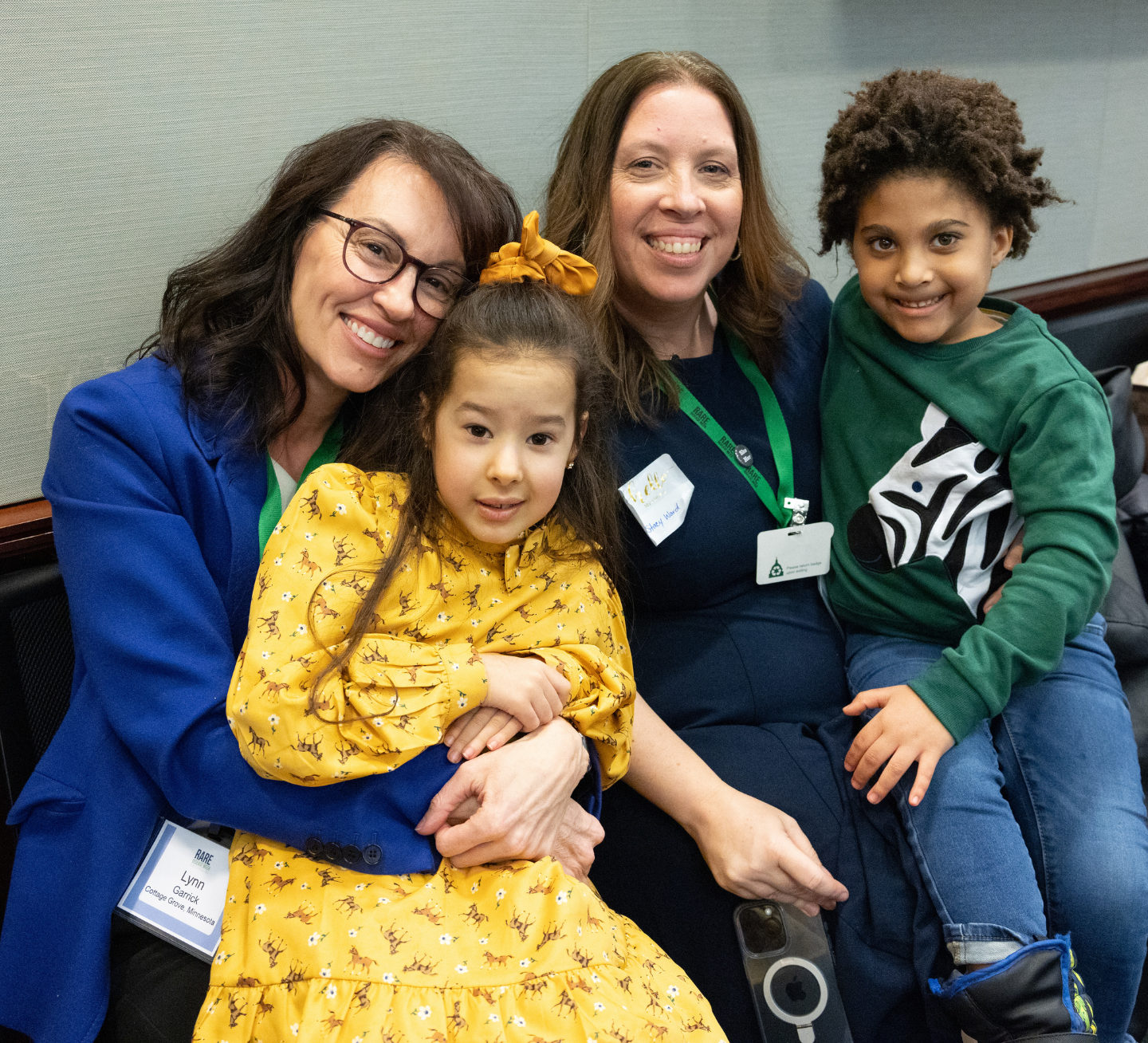
Families and Caregivers in the PWS Community
This LEAD cohort is designed for members of the Prader-Willi syndrome community who want to better understand the healthcare system and the policy decisions that shape access to treatment, services, and care.
Participants may be:
• parents or caregivers of individuals with PWS
• adults living with Prader-Willi syndrome
• advocates within the PWS community
• individuals interested in learning how patient advocacy works
No previous policy experience is required — only curiosity and a willingness to learn.
Stories from the PWS Community
Advocacy often begins with personal experience.
These stories highlight the journeys that lead families and caregivers in the Prader-Willi syndrome community to learn advocacy and engage more deeply in healthcare policy.
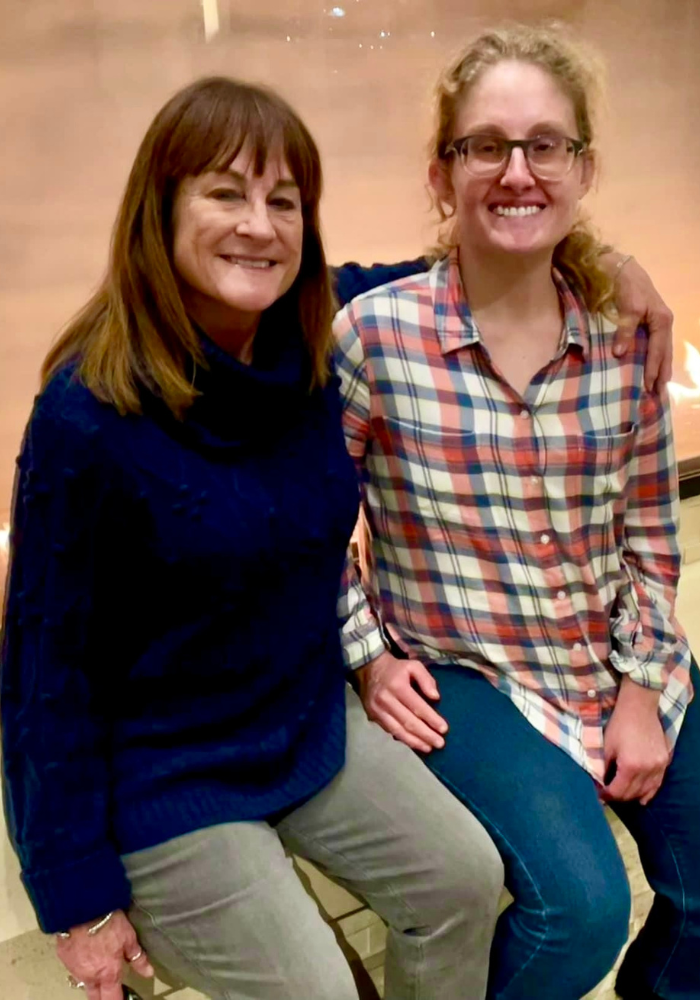
A Lifetime of Care: Leslie’s Fight for Prader-Willi Support
Prader-Willi Syndrome: fight for my son, fight for my community