The Patient Senate
A national network of patient advocates representing communities across the United States.
The Role of a Patient Senator
Patient Senators serve as district-based leaders within the Patients Rising advocacy network. Their real world perspectives help to inform healthcare policy discussions at every level.

Share What Patients Experience
Patient Senators help explain what healthcare policies mean for real patients and families in their communities.

Understand the Policy Issues
Members learn about healthcare policy issues that affect patients and help translate those issues into real-world impact.
Represent Their Community
Each Patient Senator represents patients and caregivers in their congressional district and helps ensure their experiences are heard.
Meet the Patient Senate
The Patient Senate is a growing network of patient advocacy leaders representing communities in congressional districts across the United States. Each Senator brings the perspective of patients and caregivers from their district into conversations shaping healthcare policy.
.png?width=560&height=570&name=CA-06%20Melissa%20Moya%20Patient%20Senate%20Photos%20(1).png)
.png?width=24&height=24&name=Vector%20(5).png)
I am a retired U.S. Air Force Lieutenant Colonel and a national patient advocate living with chronic pain for more than 35 years following cancer treatment. My experience with long-term pain has led me to dedicate much of my work to improving pain care, patient engagement in research, and patient-centered health policy.
I facilitate multiple chronic pain support groups and work with researchers and health organizations to ensure that the perspectives of people living with complex medical conditions are included in clinical trials, guideline development, and health system decision-making.
I serve as a patient advisor and reviewer for research initiatives including PCORI, NIH HEAL programs, and other academic collaborations. My goal is to help bridge the gap between researchers, clinicians, and people with lived experience so that healthcare becomes more responsive, practical, and humane.
Bridget Dandaraw-Seritt is the Founder of Advocates for Compassionate Therapy Now (ACTnow) and Colorado Rare Disease Coalition. She is a patient who has lived with both chronic and rare diseases since childhood. Both organizations work to keep medically complex families connected, supported, and educated. ACTnow focuses on community service and policy while the Colorado Rare Disease Coalition houses the Colorado Rare Disease Fair and its projects. ACTnow hosts community events to help keep patients connected. Movie Nights, community picnics, and holiday gatherings help fight the isolation that comes with being medically complex. Over the last decade, we’ve hosted educational webinars, in person learning sessions, and distributed educational materials to our community and community providers. We’ve helped educate everyone on the challenges chronically ill patients face and encourage solutions. CTnow offers support for families by connecting them with resources to help them thrive. Finally, ACTnow works on healthcare policy at the state and federal levels to make sure the patient voice is included in decisions that impact our community. We’ve worked on disability access, 340B, pharmacy benefit manager reform, insurance plan design reform, prescription drug affordability, and access to alternative/experimental therapies.
The Colorado Rare Disease Coalition helped host Colorado’s first Rare Disease Fair where we brought patients, hospitals, providers, and law makers together to identify gaps and solutions to issues unique to rare diseases.
Mrs. Seritt lives with multiple autoimmune disorders, including rheumatoid arthritis, Sjogrens, and lupus SLE. She also has mast cell activation syndrome (MCAS) and a rare genetic disease called Ehlers-Danlos Syndrome.
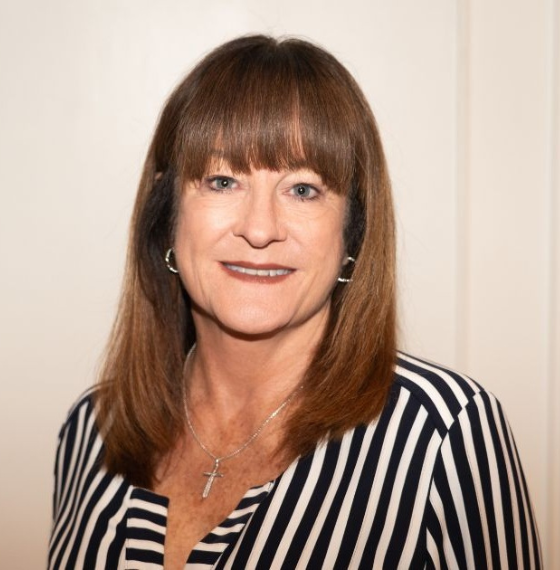
My daughter Leslie was born 28 years ago and
diagnosed with Prader Willi syndrome. Several years after her birth, and fighting insurance companies for therapies, medications, etc. I decided to become involved in PWSA/USA as a board member and board Chair for 3 years and a few years after that advocacy. I feel getting involved at the government level for patient advocacy is the best way to help make changes in areas that need to be fixed.
I personally would like to see Medicaid nationally, not by state because it limits adults with housing and also medical care if you move. I also am against PBM's and would like to see them eliminated. I also am for PDAB.
I believe patients and their caregivers should be involved in advocacy matters because our voices need to be heard by the legislators that we vote in. They are the ones who make the changes.
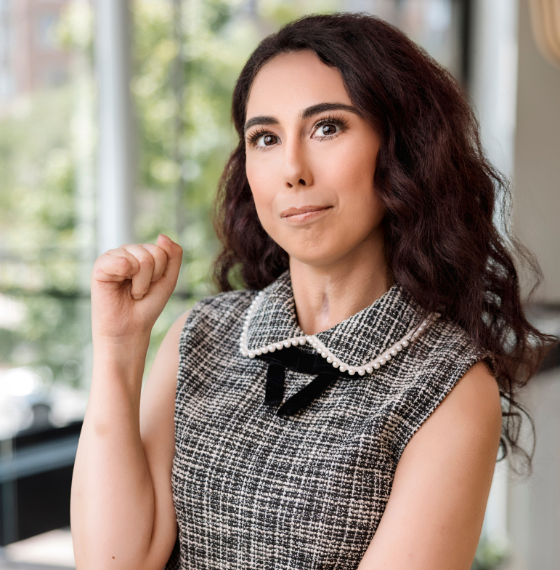
I chose to become involved in advocacy because it gave me a way to turn my personal journey with rare disease into purpose. Living with scleroderma and other complex health challenges since childhood has shown me firsthand how deeply healthcare policies affect patients’ lives and why it is so important for our voices to be part of those conversations.
Through my experiences navigating the healthcare system, I have seen both the strengths and the gaps that patients face when trying to access care. Those experiences motivated me to become involved in advocacy so that the perspectives of patients living with serious and rare conditions are represented when policies are developed and decisions are made.
Being part of a community of advocates has also reminded me that while rare diseases may affect individuals, the challenges patients face are often shared. When patients speak together about how policies impact access to care, continuity of treatment, and quality of life, our voices can help inform better solutions.
As a Patient Senator with Patients Rising, I believe advocacy means showing up, sharing our experiences, and engaging with policymakers so they understand how healthcare decisions affect real people. My goal is to help ensure that patient perspectives are included in policy discussions and that the healthcare system works better for the patients and families who rely on it.
I believe every patient’s voice has the power to make a difference, and that when we bring our experiences into the policy conversation, we help create meaningful change for all patients and families.
.png?width=27&height=24&name=Vector%20(4).png)
.png?width=27&height=24&name=Vector%20(5).png)
In 2023, my life changed with the words no one is ever prepared to hear: “You have cancer.” I was diagnosed with multiple myeloma, a rare cancer of the plasma cells. Soon after, my doctor prescribed Revlimid, a medication that is essential to my treatment. When the pharmacy called, they told me my copay would be $3,000 a month. My immediate response was simple and heartbreaking: “Don’t fill it.”
I later learned that without insurance the medication would cost more than $250,000 a year—for a drug that costs only pennies to manufacture. Thankfully, I was able to secure a copay grant, but the experience opened my eyes to a painful truth: many patients never receive that lifeline. Too often, access to life-saving medicine depends not on need, but on cost.
My diagnosis also revealed another challenge in our healthcare system—access to quality care in rural communities. I live in a rural area and was diagnosed in my local emergency room. After reviewing my MRI, the doctor briefly told me I had cancer and that I had an appointment with an oncologist the following week before leaving the room. In that moment, I felt scared, overwhelmed, and alone. I ultimately chose to travel nearly two hours each way to receive the care and support I needed.
These experiences transformed me from a patient into an advocate. Through my work with Patients Rising, I speak out about the urgent need for affordable medications, stronger patient protections, and better access to care—no matter where someone lives.
Every patient’s story is different, but together our voices matter. Advocacy matters because real people are living these realities every day. I believe citizens must be part of the conversation about healthcare reform—because the people most affected by the system should help shape its future.
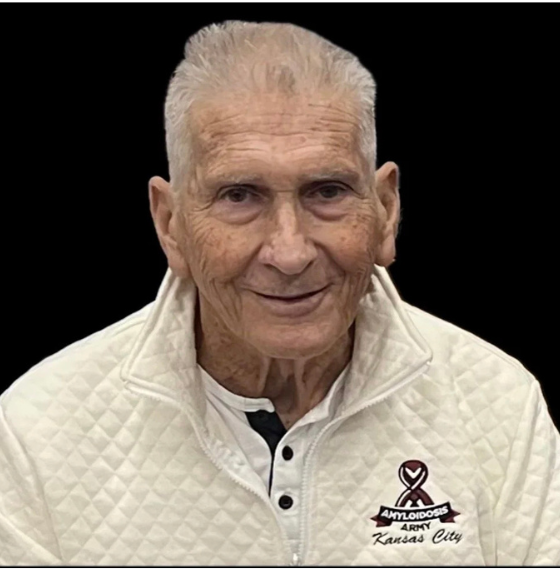
Mike Lane is a patient and dedicated advocate whose personal experience with amyloidosis led him to recognize a critical disparity: although the African American community faces the highest prevalence of the disease, it also has the lowest diagnosis rates and highest mortality.
Motivated to address this gap, Mike founded the Amyloidosis Army, an initiative committed to expanding awareness, education, and support for underserved communities.
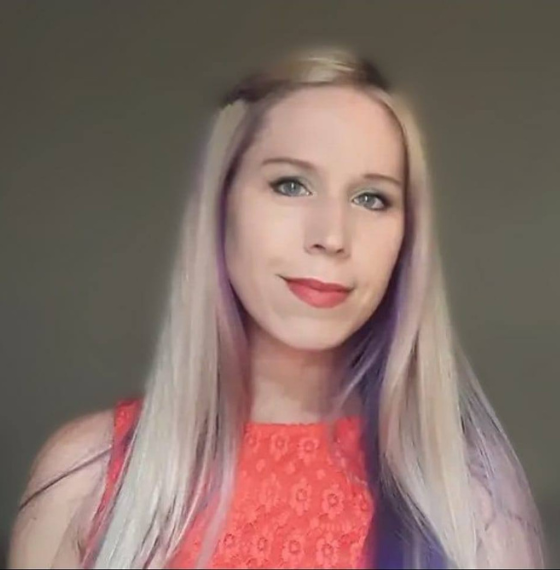
Becky Barnes is a dedicated Patient Advocate, Social Worker, and Certified Community Health Worker (CHW) from Richmond, Kentucky, originally from Pikeville in the Appalachian foothills. She will complete her Master of Social Work at the University of Kentucky (UKY) in Spring 2026 and begin he PhD in the College of Social Wok at UKY
Inspired by her sister’s cancer journey and her own experiences as a chronic illness survivor and stem cell donor, Becky brings both lived experience and professional expertise to her advocacy. With over 16 years of legislative and grassroots work, she has helped pass key healthcare legislation, including Kentucky’s Oral Chemotherapy Parity Bill, and collaborates with national organizations to advance health equity for underserved communities.
As founder and president of the Patient Voices Matter Foundation, Becky amplifies rural voices, addresses barriers to healthcare access, and equips CHWs with practical advocacy tools. Her work centers on bridging care gaps and fostering culturally informed, patient-centered health systems.
Becky’s unique blend of personal experience, academic training, and extensive advocacy drives meaningful change for patients across Kentucky and beyond.
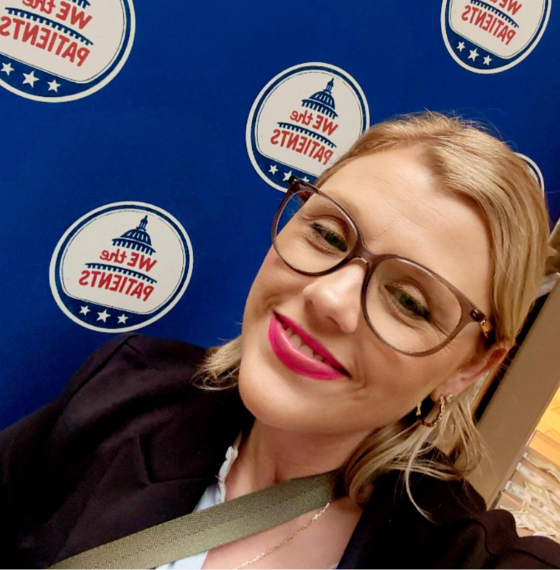
Dr. Latasha Holt is a mother, educator, and patient advocate whose youngest daughter lives with adrenal insufficiency and epilepsy. Her family’s experience navigating rare conditions fuels her work supporting families with complex medical needs. Dr. Holt is an Associate Professor at the University of Louisiana at Lafayette and serves on the board of Danny’s Dose, advancing safer emergency medical protocols.
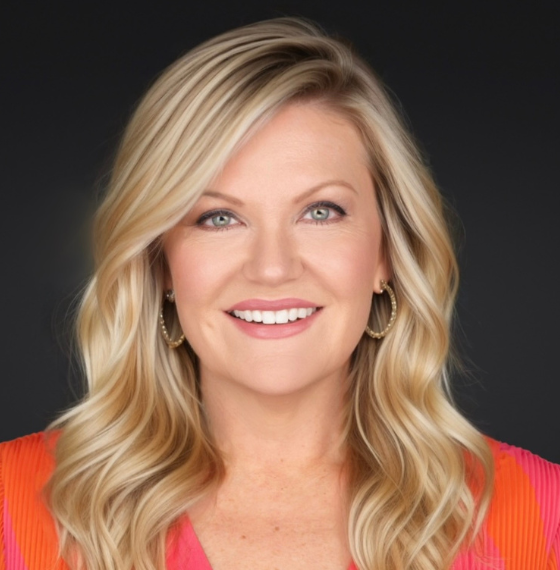
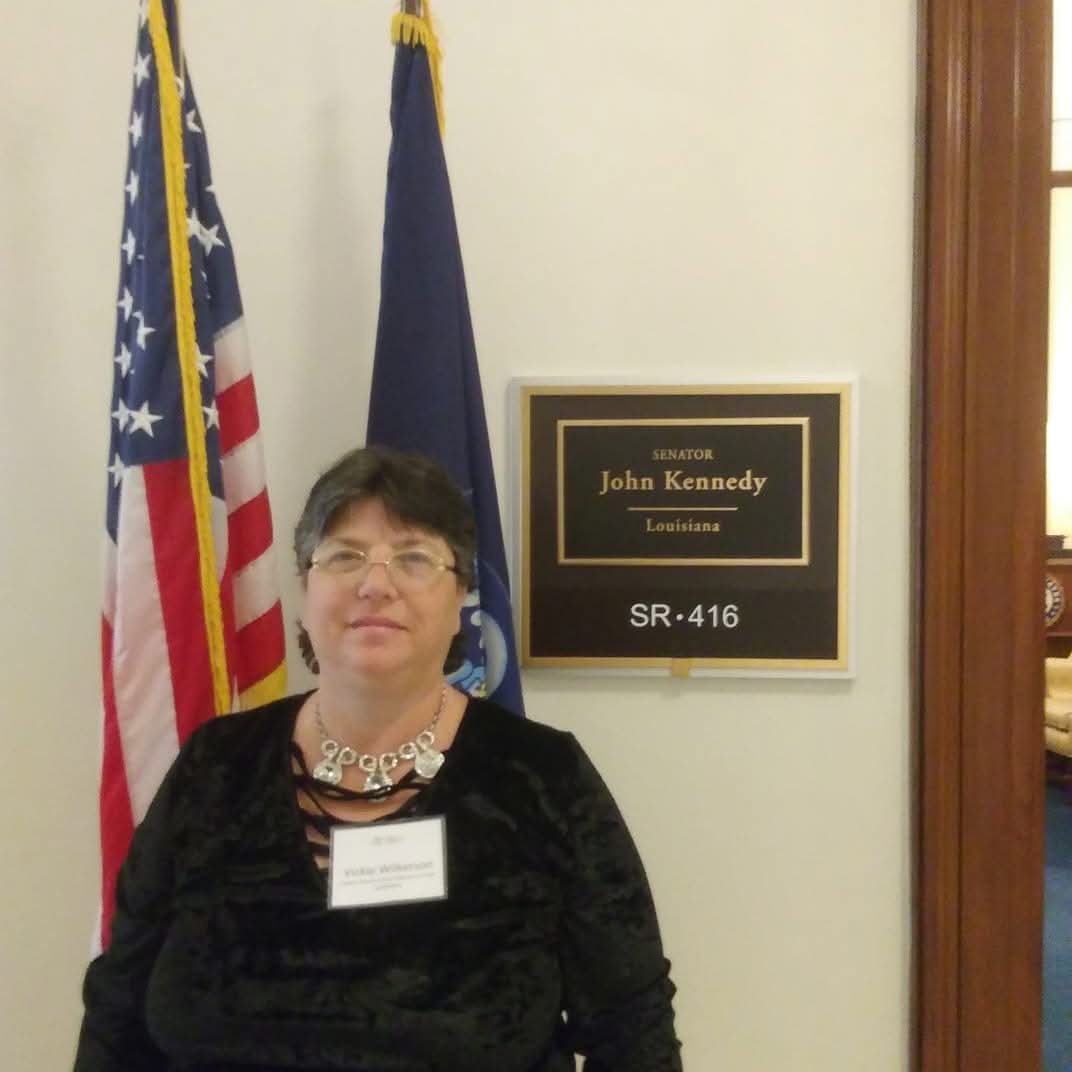
Vickie Wilkerson lives with Psoriasis and Psoriatic Arthritis and has spent more than a decade advocating for patients who face barriers to the treatments their doctors prescribe.
Her advocacy began after experiencing firsthand the harmful effects of step therapy requirements. When she was forced to try a less effective medication before receiving the treatment her doctor originally recommended, her psoriasis worsened and spread. It took nearly a year of living with a subpar treatment before she was finally able to access the medication that worked for her.
That experience motivated Vickie to become an active advocate for step therapy reform. She has traveled to Washington, D.C. five times to meet with Members of Congress and share how insurance policies can delay care and worsen patient outcomes.
Today, Vickie continues to advocate on issues affecting patients with chronic conditions, including the role of pharmacy benefit managers (PBMs) and specialty pharmacy restrictions that can make accessing medication more complicated and costly.
Through writing letters, making phone calls, and raising awareness, Vickie works to ensure that patients have a stronger voice in healthcare policy decisions so that others do not have to experience the same barriers to treatment that she faced.
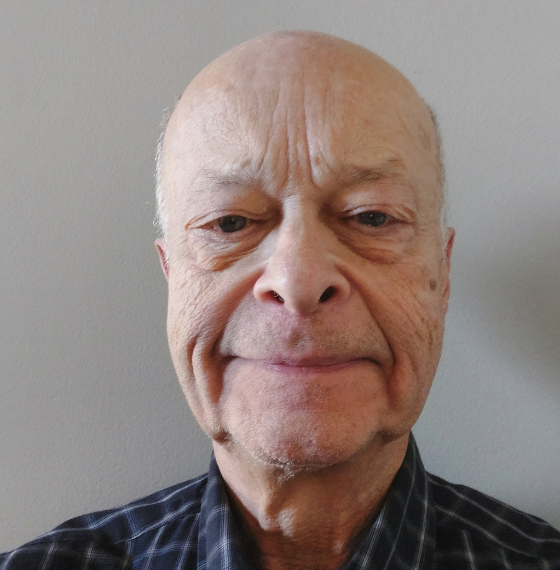
Diagnosed with multiple myeloma in 2018 after several years of monitoring a precursor condition known as MGUS, I have spent years navigating the realities of living with a rare blood cancer. Thanks to specialized care and innovative treatments, I have remained in stringent complete response for nearly five years.
Throughout my journey, I have also seen how the high cost of oral cancer medications creates serious barriers for many patients. While I was fortunate to receive financial assistance through grants, many others struggle to afford the treatments they need.
Today, I advocate for greater awareness of multiple myeloma, improved access to specialists, and drug parity laws that reduce out-of-pocket costs for patients who rely on life-saving oral cancer therapies.
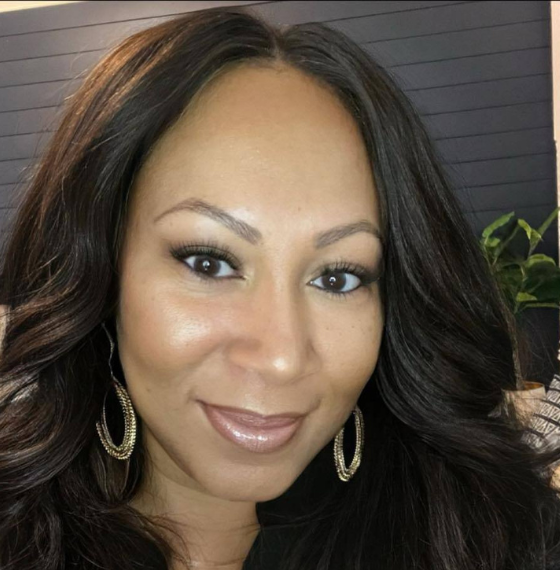
Shanta Jones is a patient advocate who believes patients should never be left in the dark about their own health. Her advocacy is driven by the belief that access to personal health data is fundamental to patient empowerment and better healthcare decisions. Too often, patients struggle to obtain or understand their medical information when they need it most. Shanta works to change that by raising awareness about the importance of health data access, transparency, and patient-centered policies. She is passionate about ensuring that patients have the tools, information, and voice necessary to actively participate in their care and shape a healthcare system that works for them.
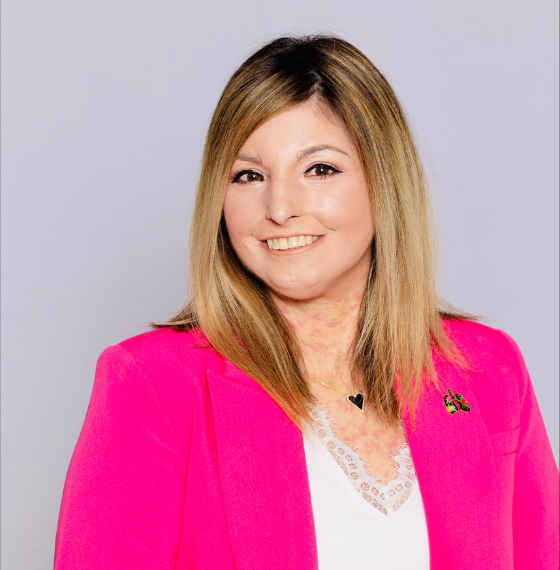
My name is Amy Gietzen, and I am a patient advocate, educator, and speaker living with scleroderma. For more than two decades, my journey with this rare autoimmune disease has fueled my commitment to raising awareness, strengthening patient education, and ensuring that the patient voice is represented in research, policy, and healthcare conversations.
Living with scleroderma has given me a firsthand understanding of the physical, emotional, and systemic challenges patients face. I use that experience to help bridge the gap between patients, healthcare providers, researchers, and advocacy organizations. Through my work, I strive to translate complex medical information into accessible knowledge while highlighting the real-world impact of rare disease on individuals and families.
Over the years, I have been actively involved in the scleroderma community through advocacy initiatives, educational programming, conference participation, and collaborations with national organizations. I have contributed to patient-focused publications and awareness campaigns that center the lived experience of those navigating chronic and rare disease.
My advocacy work and dedication to the rare disease community have been recognized through awards honoring patient leadership and impact. I am passionate about empowering patients to share their stories, engage in research and advocacy, and build stronger communities of support.
At the heart of everything I do is the belief that patients are not just participants in healthcare—they are partners. By bringing lived experience to the table, we can help shape better research, improve care, and create a future where people living with scleroderma are seen, heard, and supported.
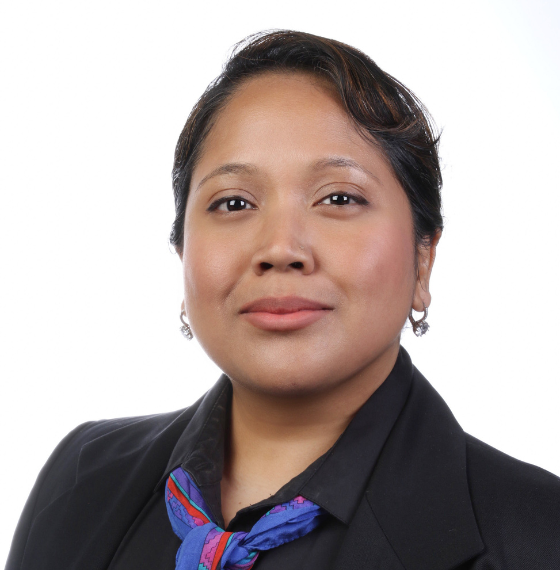
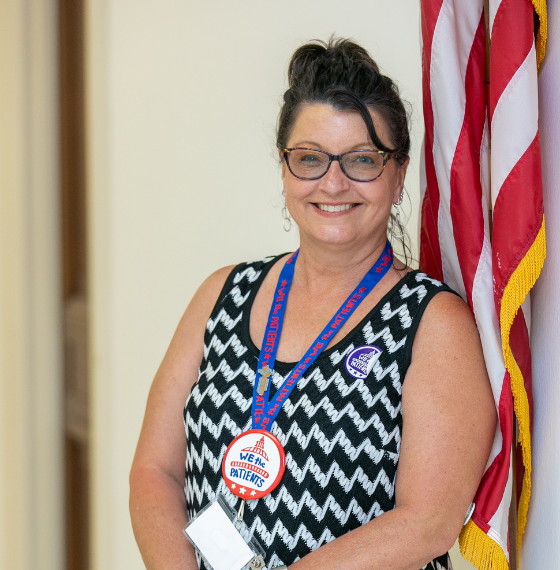
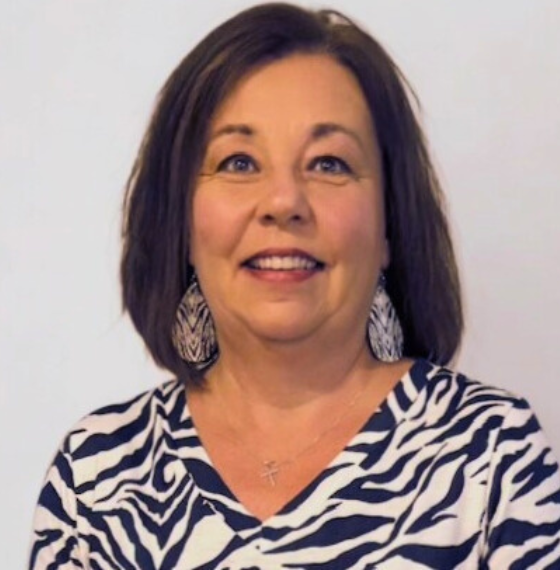
I have been advocating for the health of my children in one way or another since becoming a mom. Our youngest was identified as having sensory issues at the age of three, and I started a parent support group with Children’s Hospital of Wisconsin so other parents could come together for support. I went on to serve on a variety of patient advocacy committees at the hospital and am still involved with Parent to Parent (now in Tennessee), At age 13, our oldest was diagnosed with a lung condition treatable only with COPD medications, which at the time were FDA-approved only for those 18 and older.
My advocacy in the rare disease space began in 2015, when our youngest son was diagnosed with Addison’s disease after a nearly fatal adrenal crisis. Within weeks, I worked to establish a protocol in the state of Wisconsin allowing self-carried emergency medications to be administered by EMS with proper documentation. In 2017, my father was diagnosed with frontotemporal dementia, a condition for which he is currently receiving hospice care. During the pandemic, my advocacy took on a new level when I was featured on CNN’s town hall with then-President Biden to discuss prioritizing the limited supply of vaccines for those who needed them most. Following that appearance, I worked with NORD (the National Organization for Rare Disorders) and the FDA to update vaccine distribution language to include provisions for individuals with rare diseases.
Since 2021, I have served in several advocacy roles, including as a member of Patients Rising’s Patient Senate and as a Rare Action Network State Ambassador for Wisconsin through NORD, and now in the same role in Tennessee. I currently serve as Co-Chair of the QPM Battelle E&M Primary Prevention Committee. I am the Executive Director of Adrenal Insufficiency United, a member of the International Adrenal Disease Coalition and the International Adrenal Testing Consortium, and an Ambassador for the Association for Frontotemporal Degeneration.
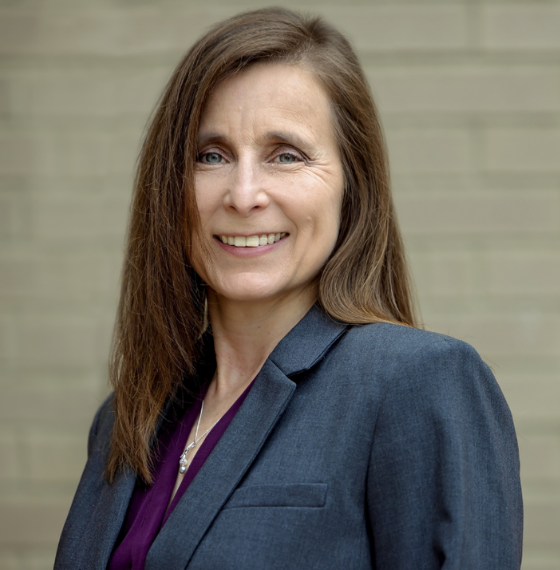
Healthcare professional. Patient advocate. Policy leader. Community builder.
With over 20 years in healthcare — from laboratory services and phlebotomy to pharmacy compounding and nonprofit leadership — my career has been driven by one goal: improving patient lives.
I currently serve as Associate Director of the HypoPARAthyroidism Association, where I lead advocacy, education, and public policy initiatives for the rare disease community.
Alongside my nonprofit work, I am a Certified Pharmacy Technician and Compounding Technician, and an active member of the Texas Pharmacy Association’s Public Policy Council. I also volunteer with Patients Rising, the EveryLife Foundation for Rare Diseases, The Chronic Disease Coalition, Rare Disease Legislative Advocates, and Rare & Ready Coalition to elevate patient voices and influence healthcare policy.
I have had the privilege of speaking at legislative hearings and DUR and P & T meetings. Legislative priorities that I am passionate about are PBM reform, responsible AI use in healthcare decision making, and comprehensive healthcare reform.
I believe meaningful change happens when experience, empathy, and action come together — and I’m passionate about turning patient stories into policy solutions.
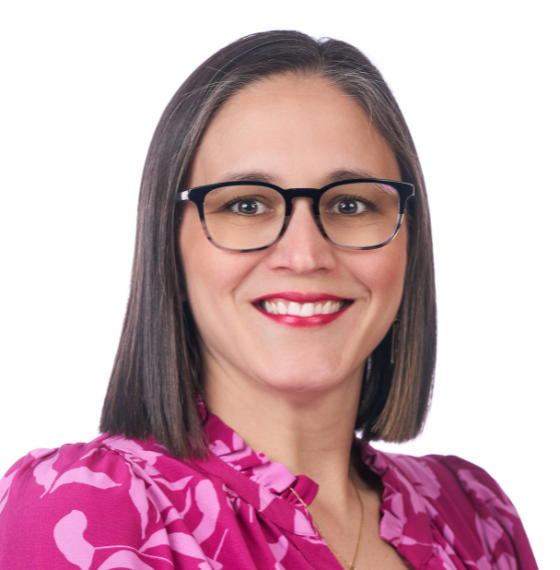
Sheri Mills is a dedicated advocate and mother to a daughter with Prader-Willi Syndrome. What began as a desire to educate her own community about PWS and the importance of recognizing rare diseases quickly grew into a deep commitment to advocacy.
She serves as an Ambassador Advocate for the Prader-Willi Syndrome Association (PWSA USA), an Executive Council Member of the West Virginia Developmental Disabilities Council (WVDDC), and a Parent Support Advocate with EmpowerED Solutions, where she specializes in IEPs for individuals with Prader-Willi Syndrome.
Sheri often reflects that if, after her child’s diagnosis, the neonatologist had said “learn politics,” she would have thought it was absurd—but it would have been some of the most valuable advice she could have received. Perhaps after: “Go home and love your child.” Both statements were not part of her start to having a child with a rare disease. She has come to understand that policy and advocacy are deeply intertwined with the daily realities of raising a child with a disability.
Through her work, Sheri continues to expand her knowledge of policy and systems change. Living near Washington, D.C. has provided her with the opportunity to advocate on Capitol Hill more than a dozen times, and she remains committed to continuing that work.
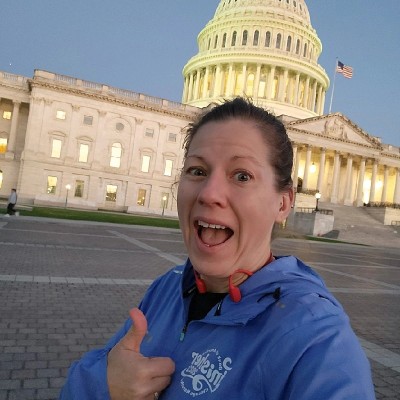
Katie Moreau is a patient advocate, caregiver, and mother of a son living with Prader-Willi Syndrome (PWS). Her advocacy began with a promise—to do everything in her power to keep her son safe, healthy, and thriving—and has grown into a commitment to help other families navigating rare disease.
She understands the daily realities of managing complex care, advocating in school and healthcare settings, and making sure her son has the support he needs.
Katie also serves as a Board Member of Wisconsin Rare, where she works to elevate rare disease voices across the state.
As Wisconsin Deputy for Patients Rising, she is focused on helping others share their stories, take action, and drive meaningful change in healthcare.