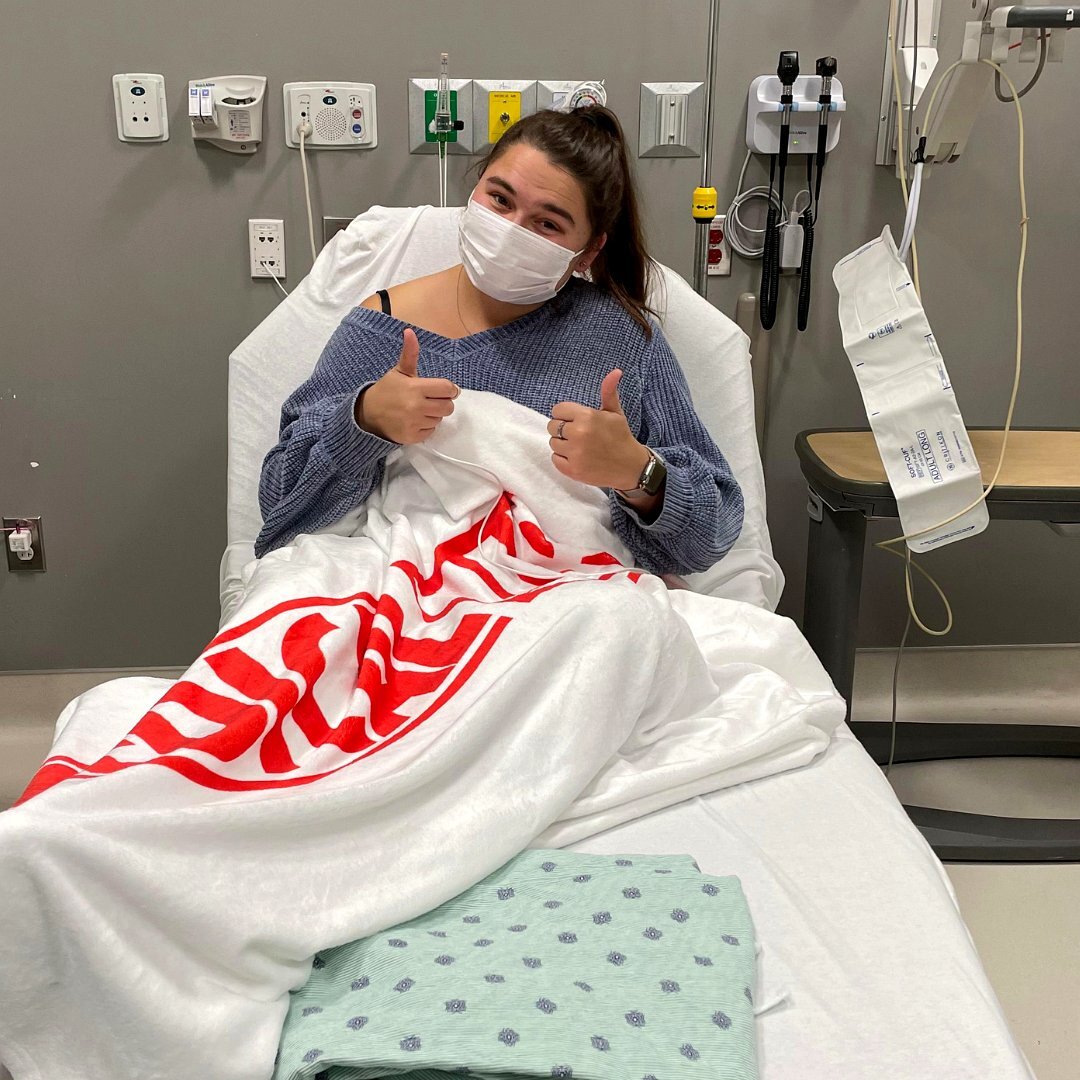
In March of 2025, I was diagnosed with myasthenia gravis — a rare, chronic neuromuscular disease that turned my life upside down almost overnight. My neurologist prescribed a medication and recommended IVIG (intravenous immunoglobulin) as part of my treatment plan. He was clear: he did not want me on an immunosuppressant at that time, believing IVIG was the safer and more appropriate choice based on my condition.
But insurance refused to approve the IVIG. Instead, they forced me onto an immunosuppressant — the exact treatment my doctor initially wanted to avoid.
Not even a month later, I found myself in the ICU, on the brink of a full-blown myasthenic crisis. I could barely breathe. I was too afraid to sleep that night, terrified I wouldn’t wake up. The next day, my breathing worsened, and I went to the ER. I was admitted to the ICU and came dangerously close to needing a ventilator.
I received five days of IVIG during that stay. It wasn’t a cure, but I saw real improvement. I finally had some relief. Despite this, my insurance denied coverage again, even after my doctor appealed.
In April, it happened again. Another ICU admission. Another round of IVIG. Another near-crisis that could have been avoided if insurance had listened to my doctor from the beginning.
My neurologist didn’t give up. He filed an external appeal — and finally, the denial was overturned. IVIG was approved.
But insurance delays didn’t stop there. Even with the approval, I went over a month without receiving treatment. They stalled and delayed. Meanwhile, my symptoms continued, and my life remained on hold.
I recently received news that I’ll finally begin regular IVIG treatment. But this journey has been exhausting and frightening. What’s even more dangerous is that one of the step therapies insurance wanted me to try was contraindicated for myasthenia gravis. Even the manufacturer’s website warns against using it in MG patients. It’s clear the insurance company doesn’t understand this disease — and their decisions nearly cost me my life.
Myasthenia gravis is serious. Delaying care or pushing inappropriate treatments can have deadly consequences. Patients like me shouldn’t have to go through a medical crisis to get access to the therapy our doctors recommend. We need better awareness. We need better policies. And we need insurance companies to stop playing games with our lives.