
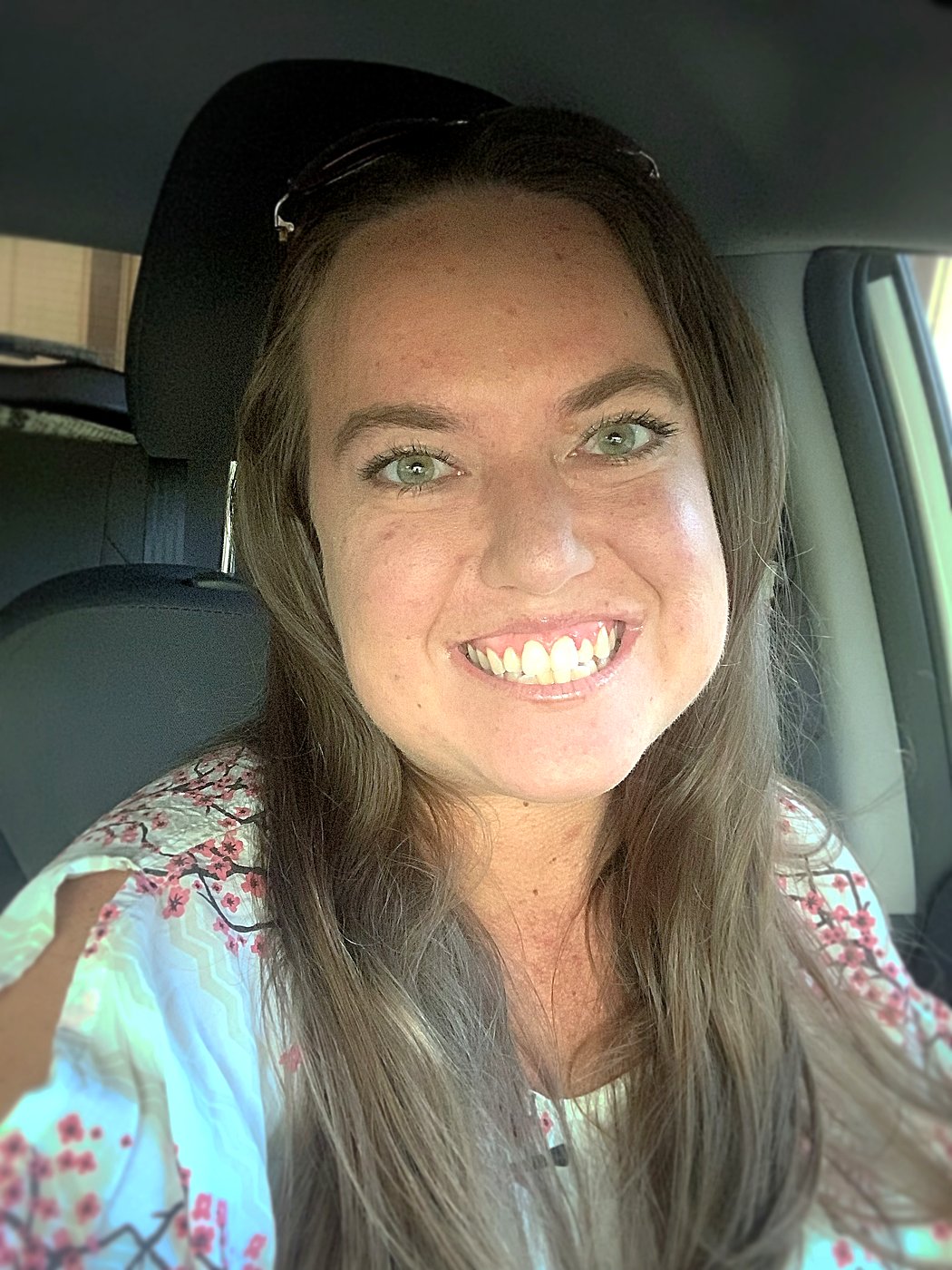
My Scleroderma Story
In January of 2014, at the age of 23, I had aseptic meningitis. I was hospitalized, temporarily losing my ability to talk. I was in excruciating pain and could barely move. Slowly, I recovered in the hospital but never really fully healed.
In March of 2015, I began to have strange symptoms all at once. I developed severe heartburn, my fingertips were turning blue, and I began to get little red splotches all over my body. My stomach was slow and didn’t digest properly, and I lost 85 pounds over the next 6.5 months. My joints hurt, my skin hurt, and I moved stiffly. I was always tired, no matter how much rest I got. I felt like I was 84 instead of 24.
Luckily, I quickly got matched up with my current doctor who is familiar with Scleroderma. Such a quick diagnosis is not the case for many, as it is a rare disease. He referred me to my rheumatologist who gave me the “official” diagnosis in November 2015.
Only a few months after, in March of 2016, I would be fighting for my life. I developed internal bleeding in my stomach due to GAVES, and it led to having critically low hemoglobin and a Scleroderma renal crisis.
At the time of admission, my blood pressure was 240/160.
In a matter of days, my renal function dropped from normal to end stage renal disease.
Other than when I had meningitis, this is the sickest I have ever felt. Despite this, I felt incredibly lucky. The treatment for Scleroderma renal crisis is very different from the treatment for typical CKD. If I had not been diagnosed correctly prior, I would not have survived.
The internal bleeding caused additional complications for me. Scleroderma had caused scar tissue to form across my blood vessels, creating a webbing my blood cells needed to pass through. My blood pressure was so high, my blood cells were being forced against the webbing and shredded. I had hemolytic anemia. Doctors estimated that having both the hemolytic anemia and a Scleroderma renal crisis at the same time reduced my chances of survival to just 10%. Yet survive I did.
Coming out of the renal crisis, my whole lifestyle changed. I had to adapt to a renal safe diet, and begin the process of screening for kidney transplant. I have to be aware of every single thing I put in my body to ensure I don’t strain my kidneys, even plain water. To this day, it is an ongoing struggle.
Only after renal crisis did I fully realize that I was now a “sick” and “disabled” person. I could no longer do everything my healthy self could have done before. It was frustrating, mentally exhausting and incredibly impactful to my self esteem. I struggled not only with my new limits, but with how I interacted with the people and the world around me. My journey changed from one of diagnosis and pure survival, to one of chronic illness and permanent disability.
Over the last several years, I have dealt with severe infections that led to hospitalization and have managed to come through each - but not without damage. Every time I get critically ill, I come out a little more susceptible, slightly less than back to “normal”.
To say that Scleroderma has impacted my mental health is an understatement. Sometimes, I think it has more so even than my physical. Scleroderma is a disease with so many unknowns. Every patient is different, and doctors never really know if and when a symptom may develop. Scleroderma is inherently stressful, and oftentimes completely overwhelming.
My family, my husband and my friends were and still are incredibly supportive. I wouldn’t be here without them. Before I got sick, I was a fiercely independent person. Becoming disabled taught me that there is no shame in allowing loved ones to support you.
Now that I have lived with my diagnosis long enough, I feel like I am in a position where I feel comfortable talking about it. It is so positive to me when I can help others that struggle in a similar way. Going forward, I am actively trying to participate in advocacy and patient to patient support so that my journey can make a difference.