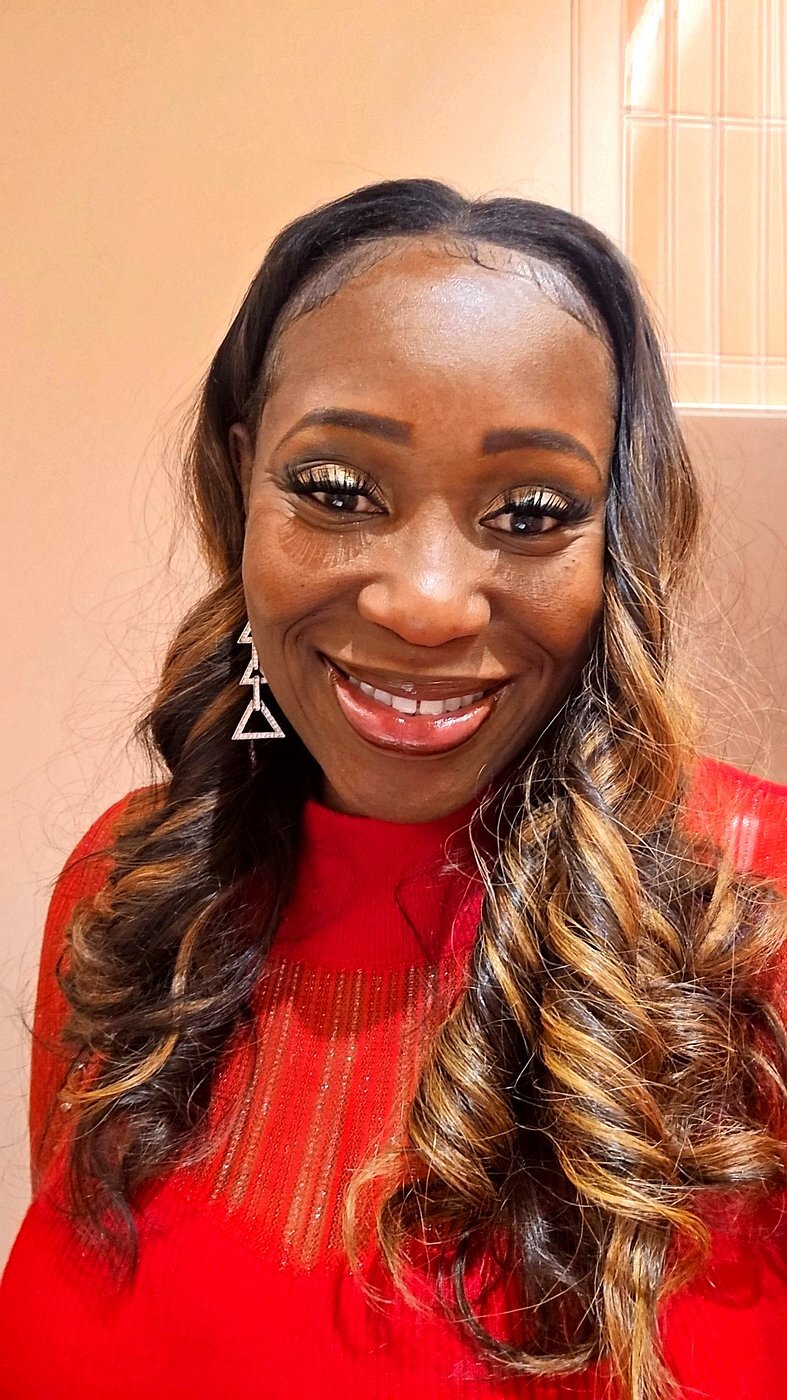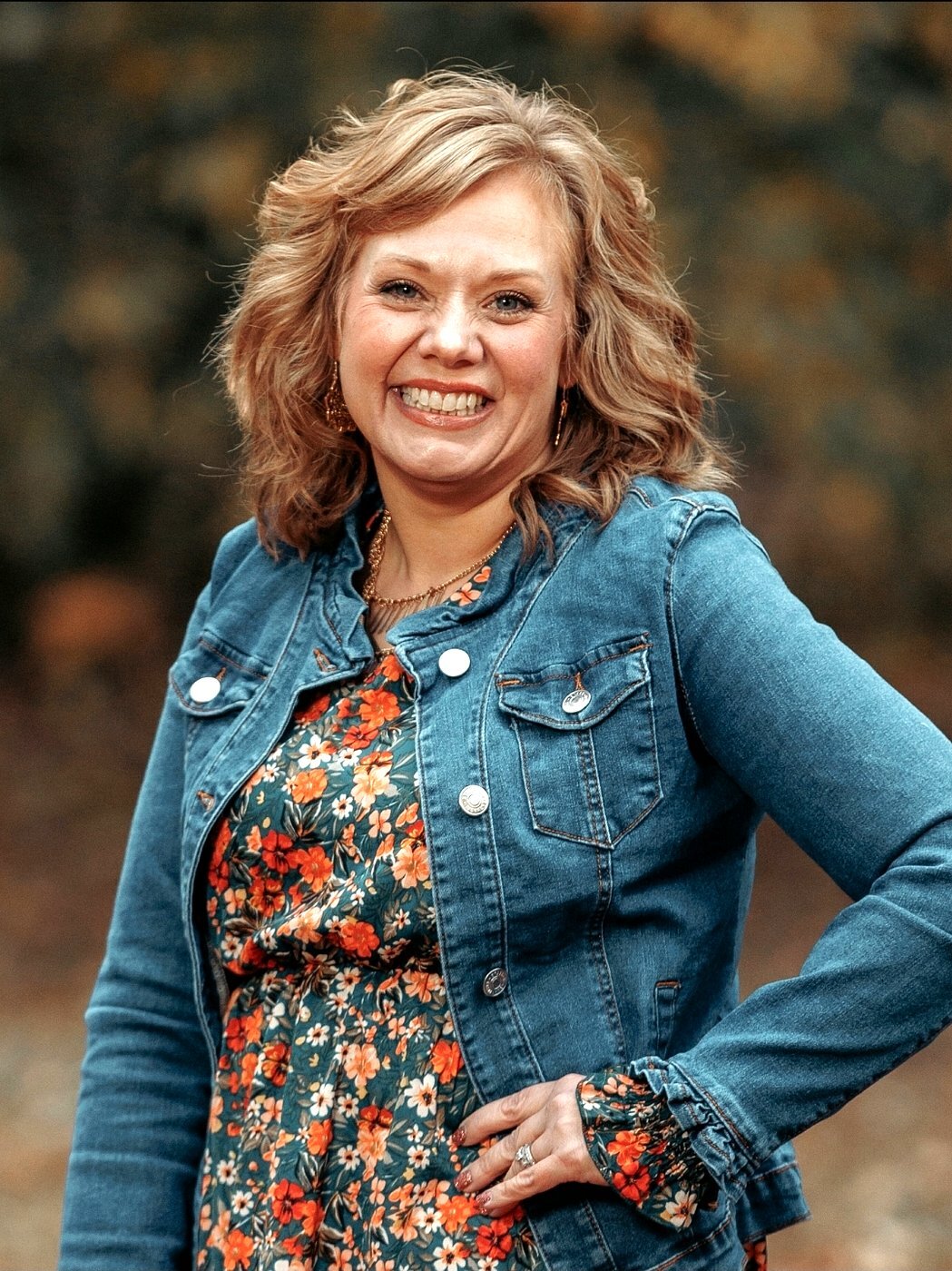
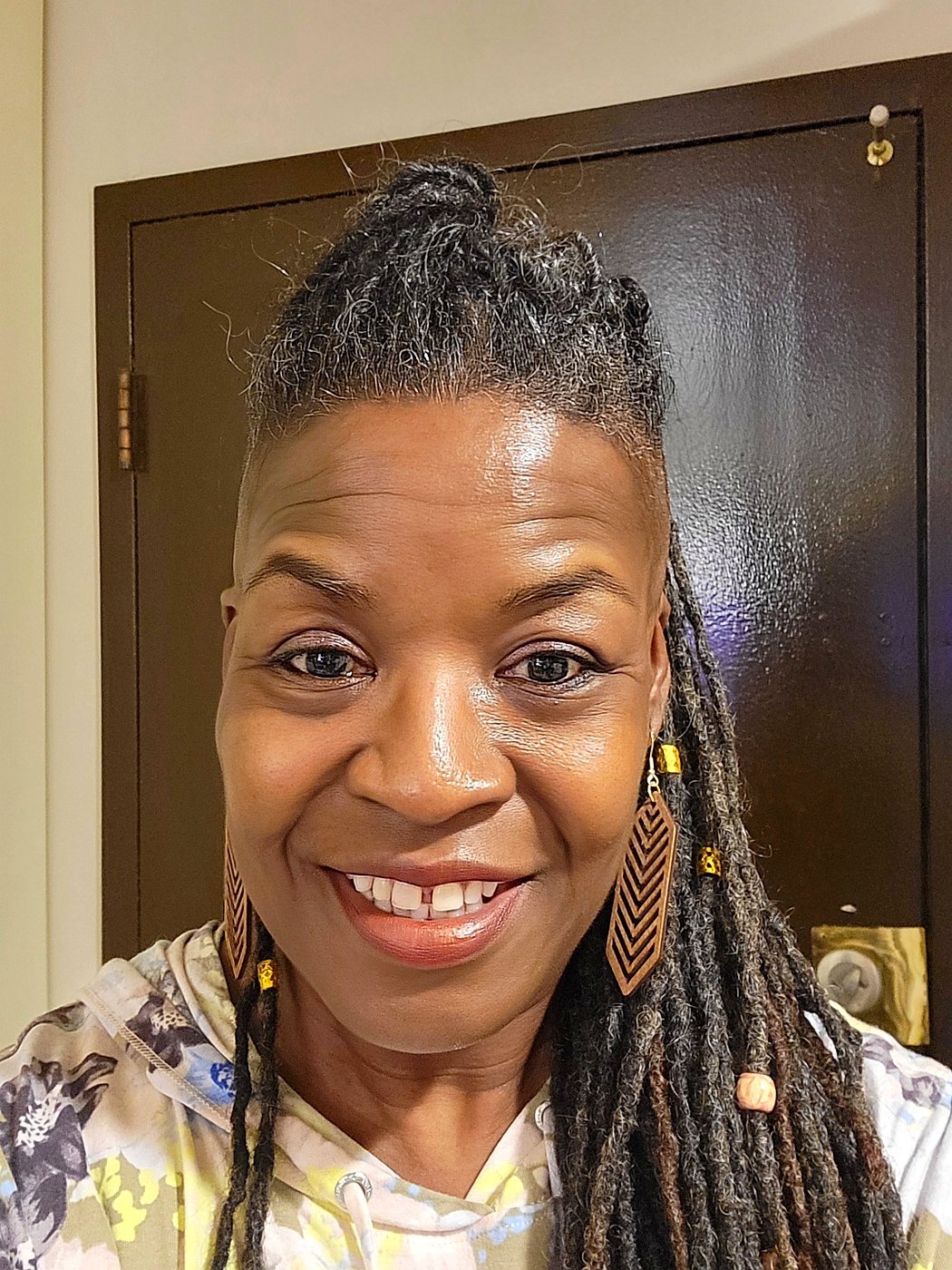
It's truly ironic that before I was diagnosed with scleroderma, I found out about it through advocacy.
In early 2021, Bob Saget talked about losing his older sister Gayle to the disease in the 90s. He mentioned a movie about her - *For Hope* - that he produced. I was curious, so I decided to watch the movie. Nothing prepared me for that heartbreaking story.
A few months later, I began having symptoms: tingling in my fingers and toes upon waking, and painful nodules in the palm of my hand. My orthopedic couldn't tell me what caused them, but he did find that I had carpal tunnel. At the follow-up appointment, my hand still hurt, so he ran additional tests, including the Antinuclear Antibodies (ANA). Because it was positive and he suspected rheumatoid arthritis, he sent me to a rheumatologist.
Based on the ANA, the doctor immediately suspected scleroderma, and her additional testing confirmed it. I have scleroderma, interstitial lung disease, Raynaud's, and Sjögren's. My life has shifted in ways I still can't fathom. For most of 2022, searching for scleroderma experts and going to office visits became a full-time job. Every day was a struggle. Finding doctors was like searching for a needle in a stack of needles. The bright light in it all was the fact that my rheumatologist knew about scleroderma. I was in good hands. That is, until she left the medical center.
Unfortunately, my new doctor clearly didn't know how to treat me. It both disappointed and frightened me because I had no confidence in his ability to handle my care. I was back on the search for a rheumatologist familiar with this disease.
Fortunately, I discovered a scleroderma center in Chicago—about an hour and a half drive from my home in Aurora, IL.
Advocacy is vital in this fight against scleroderma because it raises awareness and, through that, education. It typically takes 3 to 8 years for a patient to be diagnosed with this illness. During that time, so much damage and suffering is happening in the body. We need more doctors and healthcare providers who not only know what this disease is but also how to treat it. It took me over a year to assemble a team in which I feel confident in their ability to treat this rare and debilitating disease.
After my experiences post-diagnosis, I'm aware of how blessed I am and how important advocacy is in the scleroderma community.
It's because of other scleroderma advocates that I became aware of the disease even before my diagnosis. It's because I met a doctor who was aware of scleroderma that I did not have to wait 3-8 years for a diagnosis like so many others. This is why I am so passionate about advocacy and raising awareness for scleroderma. It can change someone's journey and change their life.