
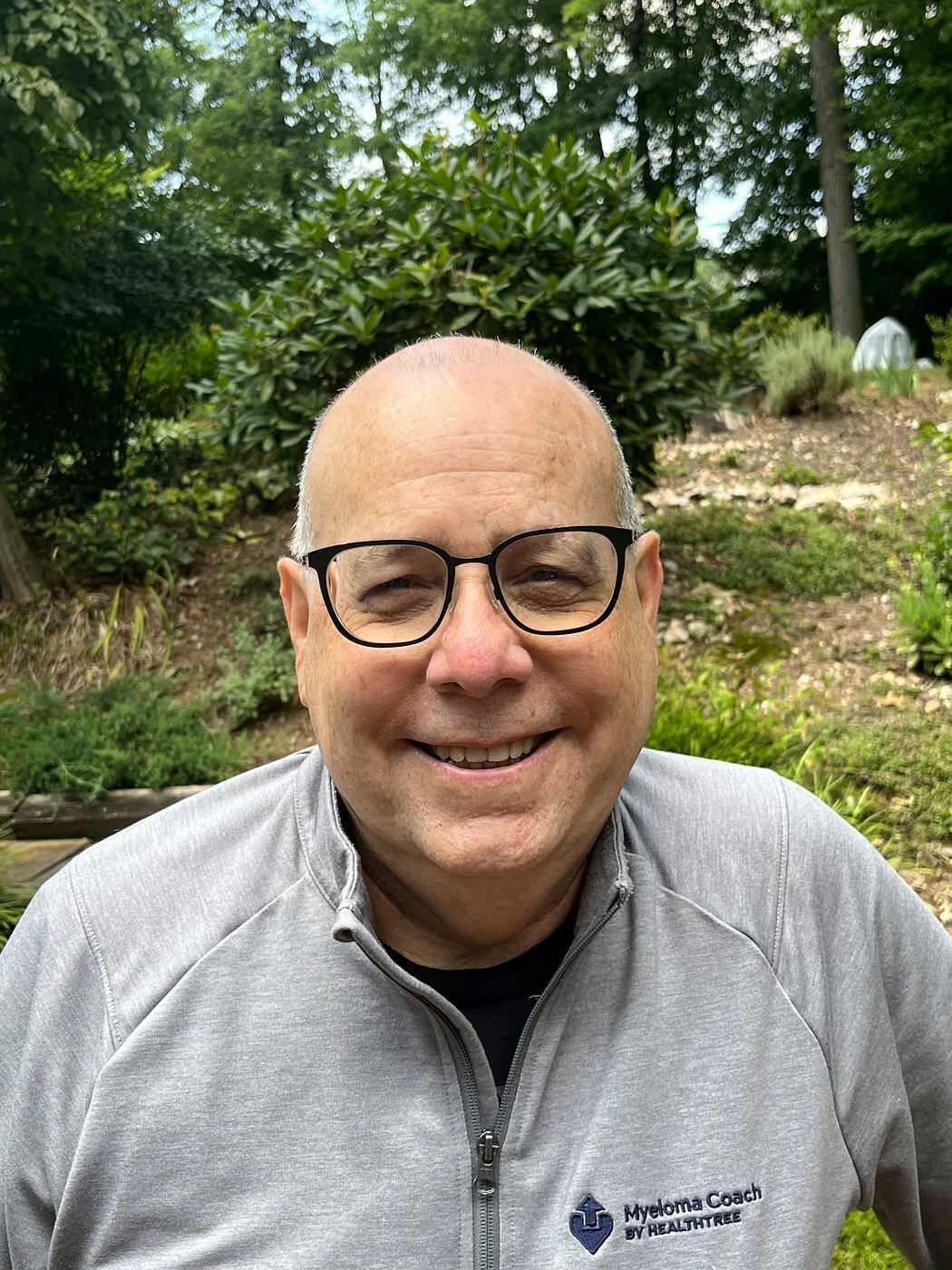
Cancer support groups and peer-to-peer experience sharing is important in the treatment journey. Newly diagnosed patients should make support group participation a top priority.
Monoclonal Gammopathies of Undetermined Significance? Smoldering Myeloma? Multiple Myeloma?
These were the possible diagnoses by my hematologist (another new doc!) after a high protein count in my blood work during my annual physical lead her to more specific tests. She was leaning toward the "smoldering" diagnosis, but wanted to confirm with a bone marrow biopsy (sounds worse than it was). This was all in December 2017.
Luckily, my dear wife, JoBeth, was with me. She's been my rock through this and other challenges we've faced. All while raising our four wonderful daughters (all productive members of society!).
I was shocked to learn that there is no cure for myeloma. But there was a glimmer of hope when told that it is treatable. We didn't know all that meant.
After a wait for the pathology results and time for the holidays, in early January 2018, I learned of a very high concentration (80%) of the abnormal plasma cells in the marrow and I was diagnosed with Multiple Myeloma. I started a chemo regimen a week later.
I feel extremely grateful and lucky that I started this journey with an abnormal blood test. I had no symptoms, responded well to treatment, and tolerated the treatment with few and only minor side effects. Some people are first diagnosed with bone pain or breaks, kidney failure or other end organ damage.
I was able to continue to work and as such did not participate with any support group or other patients for perspective or understanding. I completed my initial treatment and stem cell transplant before my first support group meeting, a year into my journey. It was immediately clear what I had been missing.
My priority now is to urge early diagnosis of at-risk individuals and direct support for newly diagnosed patients. For example, the cause is not known, but exposure to industrial chemicals, radiation, or other items may play a role. There may be a genetic angle, or a combination of factors. Given that, I urge all my firefighter brothers and sisters (especially those of us that go back to the "leather lung" days in the early 1970s when we were just starting to use SCBAs, not so much in overhaul, once the fire was knocked down) to keep up with your health screenings. A simple blood test likely saved my life!
I also work one-on-one with patients through a couple of the blood cancer organizations to share my experience and help them prepare for medical appointments, helping hem organize their thoughts and questions for the medical teams.
Early testing and diagnosis, and participation with other patients, is critical to understanding that no one is alone on this journey, and to help patients seek specialists and the best treatments to fight the disease and improve their quality of life.