
Medicare Drug Price Negotiation: What Patients Need to Know
Watch the Town Hall Replay + Access the Toolkit

Why This Conversation Matters
The Medicare Drug Price Negotiation program is underway, and CMS is actively evaluating selected drugs.
For patients and advocates, understanding how the framework works is essential before submitting comments or participating in listening sessions. Where does patient experience matter? What information carries weight? How are therapeutic alternatives considered?
In this discussion, Terry Wilcox and Carl Schmid break down what CMS evaluates, how patient input fits into the process, and how to prepare meaningful contributions that can make a real impact.

.png?width=27&height=24&name=Vector%20(4).png)
.png?width=27&height=24&name=Vector%20(5).png)
Terry Wilcox is the co-founder and Chief Mission Officer of Patients Rising, a national organization focused on advancing patient-centered healthcare policy through education, advocacy, and accountability. She leads the organization’s policy strategy, public engagement, and thought leadership, with a focus on access, affordability, transparency, and innovation across the U.S. healthcare system.
Terry’s work sits at the intersection of patient advocacy and public policy. Over the course of her career, she has helped elevate patient perspectives into legislative, regulatory, and public discourse, ensuring that policy decisions are informed by real-world consequences for patients and families. Her leadership emphasizes practical, systems-level solutions that improve patient access while preserving innovation and choice.
Prior to co-founding Patients Rising in 2015, Terry spent nearly a decade at Vital Options, a nationally recognized cancer advocacy organization, where she served as Creative Director. During that time, she helped develop patient education initiatives and public awareness campaigns that demonstrated the role of storytelling in shaping policy understanding and engagement.
Since founding Patients Rising, Terry has overseen the organization’s growth into a respected national voice on healthcare policy, working with policymakers, patient leaders, corporate partners, and media to translate complex healthcare issues into clear, actionable insights. She is frequently asked to moderate policy discussions and panels that bring together patients, economists, clinicians, and government leaders.
Terry is a widely published healthcare commentator whose writing focuses on patient access, affordability, and transparency in healthcare policy. Her work has appeared in major national and regional publications, and she is regularly sought out by media outlets for commentary on emerging healthcare issues.
She resides in Vienna, Virginia, with her husband and two sons.
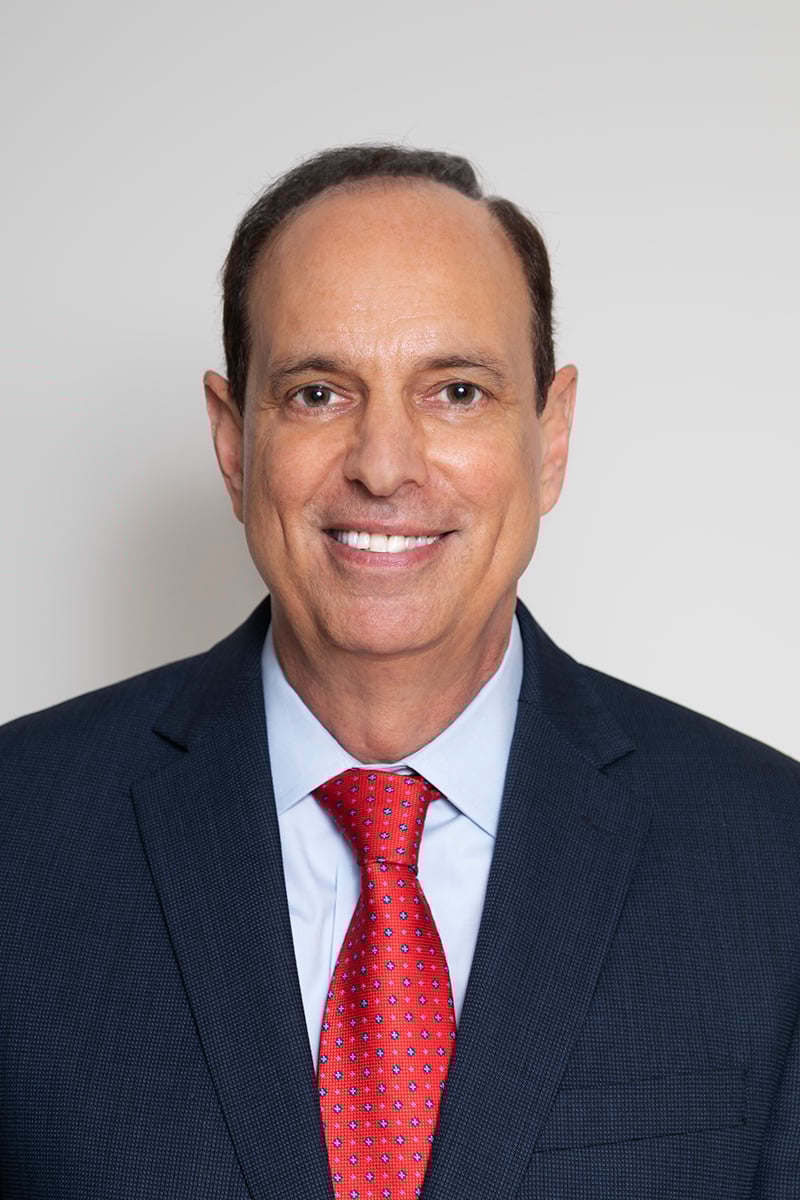
Carl Schmid has been a national policy and advocacy leader in the HIV community for over 25 years. He spent 16 years with The AIDS Institute, where he served as its Deputy Executive Director and led the Institute’s HIV and viral hepatitis federal policy work before the executive agencies and the Congress. In January 2020, he formed the HIV+Hepatitis Policy Institute, which promotes quality and affordable healthcare for people living with or at risk of HIV, hepatitis, and other serious and chronic health conditions.
Mr. Schmid helps lead the HIV and hepatitis communities’ advocacy efforts in Washington, D.C., to ensure domestic HIV and hepatitis programs, including the Ending the HIV Epidemic initiative, the Ryan White Program, CDC HIV and hepatitis prevention programs, and NIH AIDS Research are based on sound public policy and fully funded. He serves on the Convening Group of the Federal AIDS Policy Partnership (FAPP) and co-chairs its AIDS Budget and Appropriations Coalition.
He has expertise in healthcare financing systems, including Medicaid and Medicare, and leads efforts to ensure that the Affordable Care Act meets the needs of people living with or at risk of HIV and hepatitis. Mr. Schmid works extensively with other patient and disease groups on collective efforts to ensure that patients, particularly those with chronic conditions, have access to quality and affordable healthcare, including prescription medications.
From December 2018 to August 2021, he served as Co-Chair of the Presidential Advisory Council on HIV/AIDS (PACHA) and Co-Chaired its Ending the HIV Epidemic Subcommittee through June 2023. He previously served on PACHA in 2007-09 and chaired its Domestic Subcommittee.
In January 2021, Mr. Schmid was selected as a consumer representative to the National Association of Insurance Commissioners (NAIC), a post he served during 2018-19. In February 2023, Mr. Schmid was appointed to the NAIC/Consumer Participation Board of Trustees. In April 2023, he was appointed to the Leadership Advisory Council for the U.S. Business Action to End HIV, which he currently Chairs. In July 2019, he was appointed to the PEPFAR Scientific Advisory Board.
In 2010, he was named by POZ magazine as one of the 100 most effective AIDS fighters and by Whitman-Walker Health as one of the 25 individuals who have played prominent roles in the fight against HIV in D.C. In 2016, he was named the Champion of the Year by the ADAP Advocacy Association.
Thank You to Our Supporters
This webinar is made possible in part through sponsorship support from multiple companies. We are grateful for their commitment to patient education.
Supporters do not influence the content or perspectives shared during this discussion.